Scope the evidence
which logs exist (app, auth, cloud audit, CDN, DB); time window; preserve originals read-only.
the incident response dog. After a breach: reads the logs, builds the timeline, sizes the blast radius, lists containment steps.
ExploitAll app secrets leaked at 02:14 UTC
FixSmallest change suggested
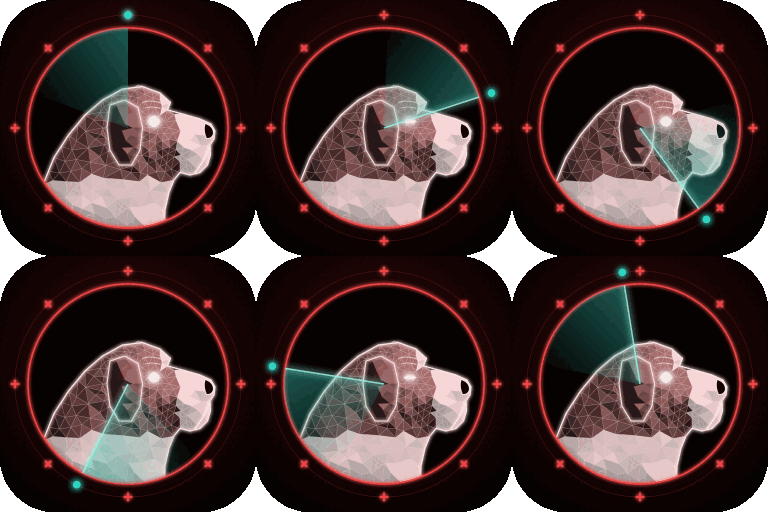
Saint Bernard is watching$ /watchdog-go-incidentThe incident-response dog. Comes to the rescue after something went wrong: reads logs, builds a timeline, finds blast radius and writes containment steps.
The always-on lens watches incidents, breaches, suspicious logs, alerts, compromised keys, post-mortems.
which logs exist (app, auth, cloud audit, CDN, DB); time window; preserve originals read-only.
first sign, initial access, actions taken, last activity; with log line references.
IPs, user agents, accounts, keys, files and endpoints involved.
data, accounts, systems and secrets the attacker could reach from what was used.
keys to rotate, sessions to revoke, accounts to lock, rules to add; ordered by urgency.
the weakness exploited and which Watchdog dog guards it next time.
Runs these scanners when installed, then reads the code they can't understand:
Read logs after a breach: timeline, blast radius, containment steps
Its test target holds an evidence folder (nginx, app, auth logs, CloudTrail-style events, git log, ticket) with one planted intrusion as 17 facts, 3 decoys and an answer key.
Static review only. Never change live systems or send traffic to targets outside the user's written scope.
Never print a secret's value — not keys, tokens or passwords, even weak defaults. Give file:line and the secret type only.
End each review with: what you did not check, and the top risk the user must act on.
Saint Bernard is Watchdog's incident dog for Claude Code. It looks for Scope the evidence, Timeline, Indicators, Blast radius, Containment and Root cause and follow-up. Each finding comes with the exact file and line, how it could be abused, and the smallest fix.
Install Watchdog with /plugin marketplace add watchdoglab/watchdog and /plugin install watchdog@watchdog, then run /watchdog-go-incident. Its lens also stays on while you code and flags risky lines as they're written.
When they're installed, Saint Bernard runs jq, rg, chainsaw and sigma, then reads the code those scanners can't understand. Anything it couldn't check is listed under Not checked in the report.
Yes. Its first rule: Static review only. Never change live systems or send traffic to targets outside the user's written scope. Secrets it finds are reported by location and type only, never printed. Watchdog is free and open source (MIT).