Live lens while you code
Each dog stays on all session and flags risky code the moment it's written: the line, the exploit, the smallest fix.
A pack of security dogs inside Claude Code. They flag real vulnerabilities as you write code and audit the whole repo with one command.
ExploitGET /users/1 OR 1=1 dumps every user
FixSmallest change suggested
Malinois is watching$ /watchdog-go-vapt codeWorks with the scanners you already use
Security review usually comes late, costs a lot, or never happens.
Watchdog moves it into the moment you write the code. Find vulnerabilities as your product changes, not months later, then go straight from the finding to the fix.
Use a single dog for one surface, a bundle for your product type, or every dog at once.
Each dog stays on all session and flags risky code the moment it's written: the line, the exploit, the smallest fix.
One command reviews the entire repo and returns a ranked report, Critical to Low, with file:line for every finding.
Pick what you're building and one command sends the right dogs. No guessing which checks apply.
/watchdog-go-vapt report turns the session's findings into one report you can hand over.
Pyrenees maps findings to SOC 2, ISO 27001, PCI DSS and OWASP ASVS before the auditor asks.
Severity, the exact line, how it gets abused and the smallest fix. Every report ends with what was not checked.
src/routes/users.ts:12src/routes/invoices.ts:31
src/auth/jwt.ts:18
infra/storage.tf:7
agent/tools.py:44
- const sql = "SELECT … id = " + id;
+ db.query("… id = $1", [id]);
2 found, reported by location and type only. Values are never printed.
Start with the dog you need, then add more.
Vulnerability assessment for source code, web apps, APKs and IPAs, then the report. Active tests stay in scope.
/watchdog-go-vaptReads your OpenAPI or GraphQL spec and handlers together for BOLA, mass assignment, SSRF and shadow routes.
/watchdog-go-apiGuards the front door: login, OAuth/OIDC, sessions, password reset, MFA, JWTs and SSO.
/watchdog-go-authMisconfigurations in Terraform, Kubernetes, Dockerfiles and CI pipelines.
/watchdog-go-cloudPrompt injection, over-powered agent tools, unsafe model output, RAG leaks and risky MCP config.
/watchdog-go-ai
Follows personal data into logs, analytics and SDKs. Maps findings to GDPR and India's DPDP Act.
/watchdog-go-privacy
Lockfiles, typosquats, install scripts, pinning, SBOMs, signed releases and licences.
/watchdog-go-supply-chain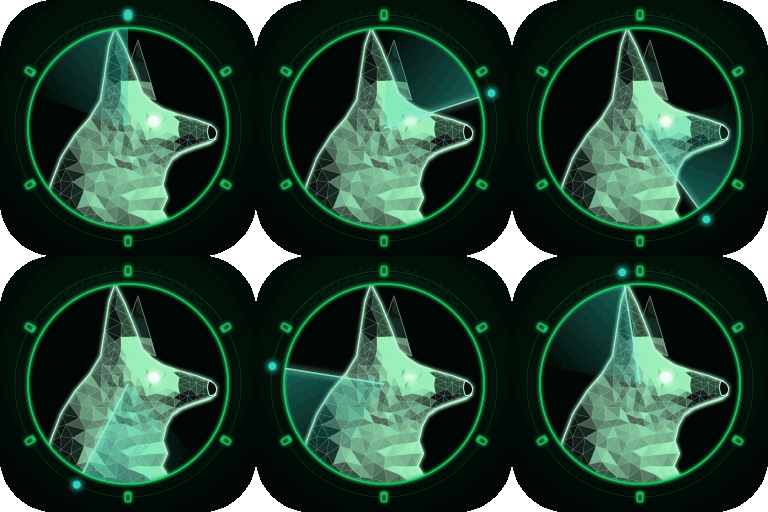
Android, iOS, Flutter and React Native: storage, pinning, deep links, WebViews and bridges.
/watchdog-go-mobile-app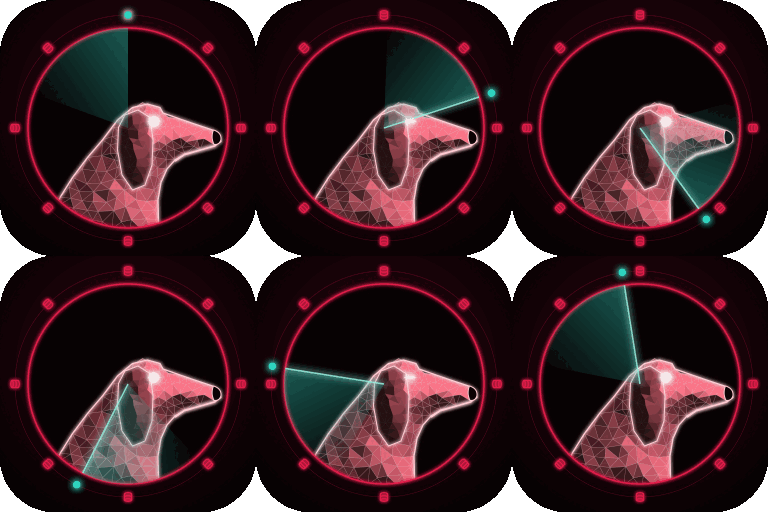
Digs into migrations, row-level security, DB roles and Firebase/Supabase rules.
/watchdog-go-database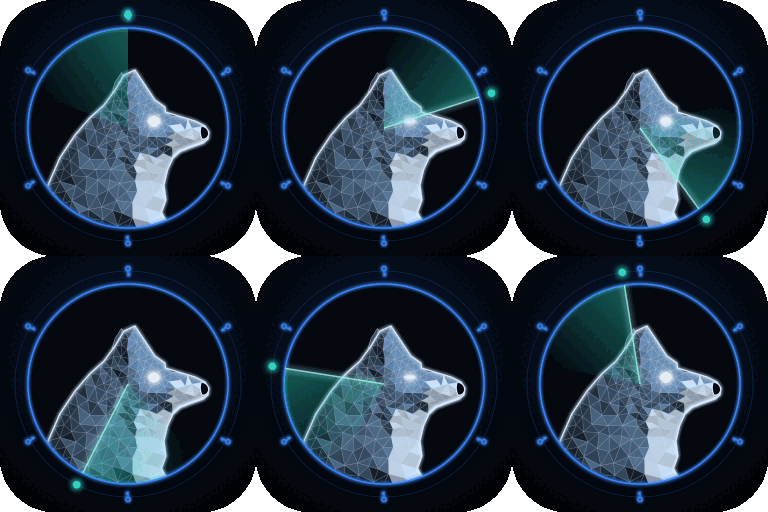
Finds secrets in code and git history, helps rotate them and blocks them at commit.
/watchdog-go-secrets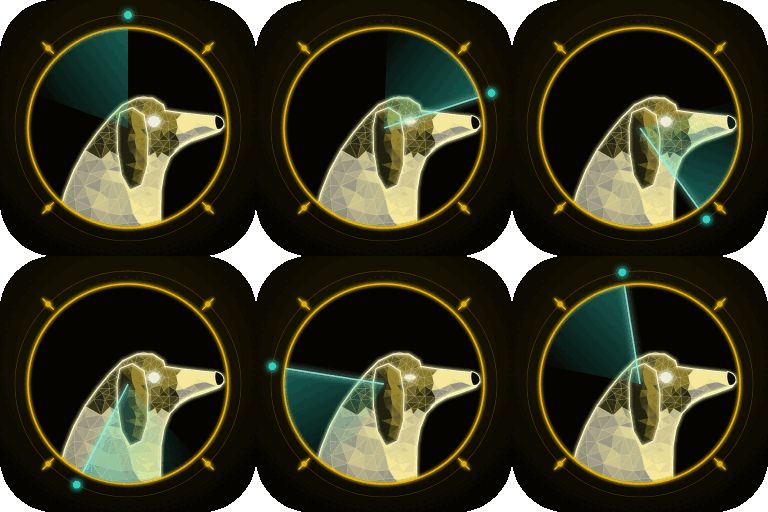
XSS sinks, CSP, postMessage, token storage and third-party scripts.
/watchdog-go-frontend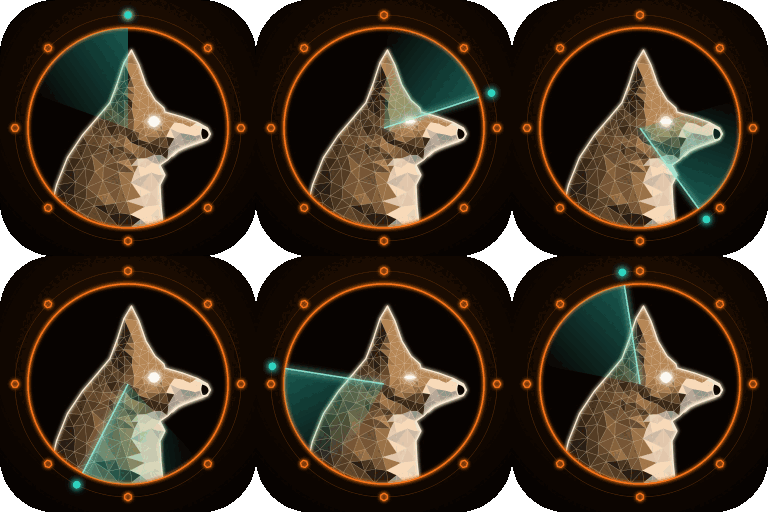
Solidity and Rust contracts: reentrancy, access control, oracles and upgrades.
/watchdog-go-web3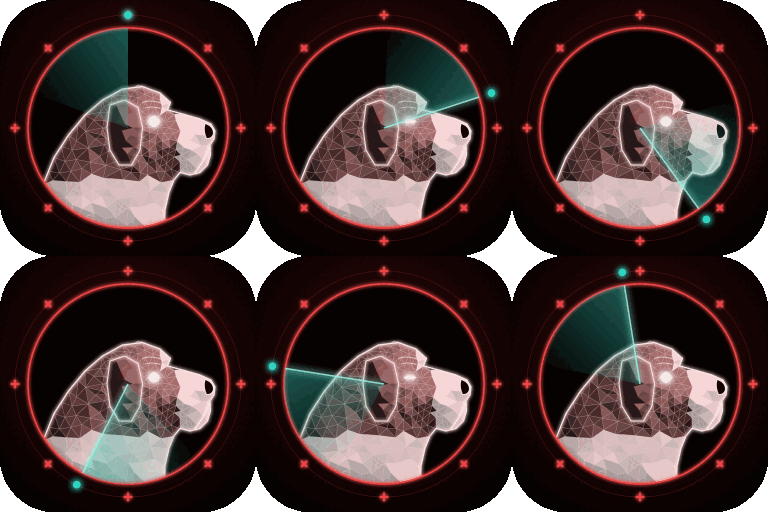
After a breach: reads the logs, builds the timeline, sizes the blast radius, lists containment steps.
/watchdog-go-incident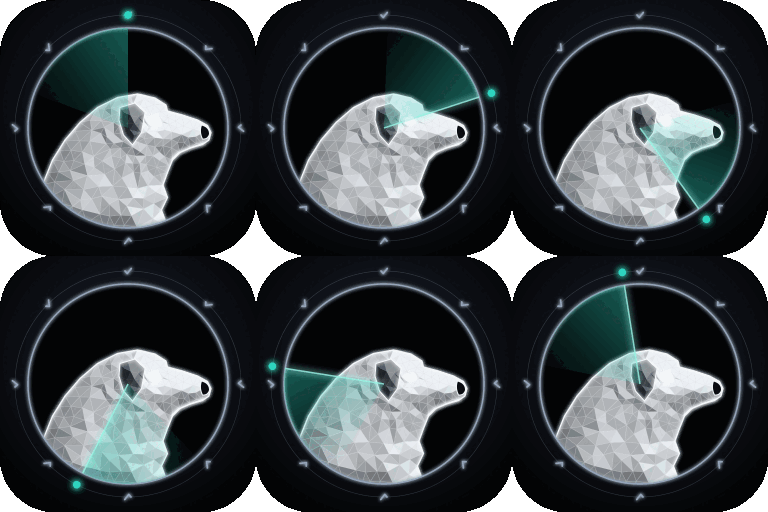
Maps the pack's findings to SOC 2, ISO 27001, PCI DSS and OWASP ASVS.
/watchdog-go-complianceMalinoisVAPTBloodhoundAPIsDobermanAuthPointerFrontendDachshundDatabaseAkitaSecretsRottweilerSupply chainEach dog's lens stays on all session. When you or Claude write a login handler, a SQL query or an agent tool, the dog flags the risk on the spot: the line, why it's exploitable, and the smallest fix.
Run one bundle for what you're building, or /watchdog-go-all for everything. You get one ranked report, Critical to Low, each finding with file:line, a concrete exploit and a fix.
Every finding says what it is, how someone would abuse it, how to fix it, and what happens if you don't. Useful to a junior dev or a client, not only to a security expert.
Every report ends with Not checked, so you know what still needs a human.
Secrets are reported by location and type only. The value is never printed.
Dogs run installed scanners (semgrep, gitleaks, trivy, checkov, osv-scanner) and read the code those scanners can't understand.
In Claude Code, run /plugin marketplace add watchdoglab/watchdog.
Run /plugin install watchdog@watchdog. One plugin brings all 14 dogs and every command.
Work as usual and the dogs flag risks as you go. Run /watchdog-go-web (or the bundle for your product) for a full audit.
Watchdog is a free, open-source plugin for Claude Code. It adds 14 security "dogs", each an expert on one surface: VAPT, APIs, auth, cloud, AI, privacy, supply chain, mobile, databases, secrets, frontend, Web3, incident response and compliance. They review your code as you build and audit the whole repo on demand.
In Claude Code run /plugin marketplace add watchdoglab/watchdog, then /plugin install watchdog@watchdog. That single plugin includes every dog and every command.
Run the bundle for what you're building: /watchdog-go-web, /watchdog-go-mobile, /watchdog-go-ai-app, /watchdog-go-infra, /watchdog-go-marketplace or /watchdog-go-defi. /watchdog-go-all runs every dog. Each dog also has its own command, like /watchdog-go-api or /watchdog-go-secrets.
Yes. It's MIT licensed, with no accounts, subscriptions or telemetry. It runs inside your own Claude Code session.
No, not by default. Every dog does static review. Only Malinois can run active tests, and only against targets you list in its authorized scope. Anything out of scope is refused.
Watchdog adds no servers of its own. It works through Claude Code, so your code is handled the same way as in any other Claude Code session. Secrets it finds are never printed, only their location and type.
No. It catches a lot early and cheaply, and every report ends with a Not checked list. For a client audit, run /watchdog-go-compliance to map findings to SOC 2, ISO 27001, PCI DSS or ASVS, then bring in a human for what's left.
Any. The dogs read code, specs, infrastructure files, mobile binaries and smart contracts. They also use scanners you already have installed, such as semgrep, gitleaks, trivy, checkov and osv-scanner.