Reentrancy
external calls before state updates, cross-function and read-only reentrancy.
the web3 dog. Solidity and Rust contracts: reentrancy, access control, oracles and upgrades.
ExploitA contract re-enters and drains the vault
FixSmallest change suggested
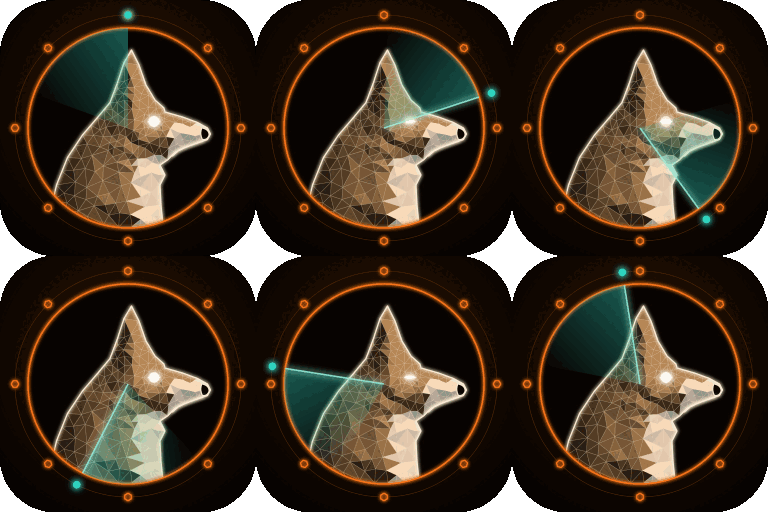
Shiba is watching$ /watchdog-go-web3The Web3 dog. Audits smart contracts in Solidity and Rust: reentrancy, access control, oracle manipulation, arithmetic and upgrade proxies.
The always-on lens watches Solidity, Vyper, Rust (Anchor/Solana), Foundry, Hardhat, DeFi, NFTs.
external calls before state updates, cross-function and read-only reentrancy.
missing `onlyOwner`/role checks, unprotected initialisers, `tx.origin` auth.
spot prices from a single pool, flash-loan manipulable values, stale feeds.
rounding direction, unchecked blocks, decimals mismatch.
storage collisions, uninitialised implementations, unrestricted upgrade functions.
fee-on-transfer/rebasing tokens, unchecked return values, approval races.
unbounded loops, push payments that can revert.
Runs these scanners when installed, then reads the code they can't understand:
Solidity/Rust contracts: reentrancy, access control, oracles, upgrades
Also runs in these bundles.
Its test target holds a Foundry DeFi project (vault, oracle, proxy, token, deploy script): 18 planted issues, 3 decoys and an answer key.
Static review only. Never change live systems or send traffic to targets outside the user's written scope.
Never print a secret's value — not keys, tokens or passwords, even weak defaults. Give file:line and the secret type only.
End each review with: what you did not check, and the top risk the user must act on.
Shiba is Watchdog's web3 dog for Claude Code. It looks for Reentrancy, Access control, Oracles and pricing, Arithmetic and precision, Upgrades, Token handling and Denial of service. Each finding comes with the exact file and line, how it could be abused, and the smallest fix.
Install Watchdog with /plugin marketplace add watchdoglab/watchdog and /plugin install watchdog@watchdog, then run /watchdog-go-web3. Its lens also stays on while you code and flags risky lines as they're written.
When they're installed, Shiba runs slither, aderyn and mythril, then reads the code those scanners can't understand. Anything it couldn't check is listed under Not checked in the report.
Yes. Its first rule: Static review only. Never change live systems or send traffic to targets outside the user's written scope. Secrets it finds are reported by location and type only, never printed. Watchdog is free and open source (MIT).